


Your Grant Application May Be Read by AI. Now What?

For the past few years, most of the conversation about artificial intelligence and grant writing has focused on one question: Should nonprofits use AI to help write grant applications?
It's a fair question, and one we've talked about quite a bit. But lately, I've been paying attention to another side of the conversation: AI in grantmaking. What happens when the funder is using AI, too?
Because that's not hypothetical anymore.
Benevity, a platform used by corporate giving programs around the world, introduced AI-powered grant summaries earlier this year. The technology can create a structured summary of an application, including the proposed project, funding needs and expected impact, to help grant administrators review submissions more efficiently.
More recently, Benevity introduced AI scoring for grant applications. Grantmakers can establish their own evaluation criteria and use AI to evaluate submitted applications against those criteria. The system generates scores, explains its reasoning and points reviewers back to evidence from the applicant's own responses. Importantly, the human grantmaker still makes the funding decision.
This is part of a larger shift happening in corporate philanthropy. Benevity's 2026 State of Corporate Purpose research found that 40% of surveyed corporate impact programs are already using AI systematically across multiple areas, while another 16% describe AI as a core driver of their impact strategy.
So, depending on where you're applying, the grant application you spent hours developing could be summarized or evaluated with the help of AI before, or alongside, a human review.
That sounds a little unsettling. But I don't think the takeaway is that nonprofits suddenly need to learn how to write for robots. I think it reinforces something much more basic: we need to get really good at communicating our work clearly.
AI-assisted doesn't mean AI-decided
There's an important distinction here. While funders are experimenting with AI, that doesn't mean we're rapidly moving toward a world where an algorithm decides which nonprofits receive grants.
In fact, only 23% of large corporate firms surveyed by Benevity said AI should be used to decide grant approvals and denials. Funders themselves expressed concerns about AI reinforcing existing funding biases, excluding smaller or community-led organizations, and favoring organizations with greater resources. Nonprofits are understandably cautious, too. More than half said they were concerned about corporate donors using AI to score grant proposals, and 64% worried that AI could miss the human nuance necessary to truly understand their impact.
And outside of corporate philanthropy, adoption appears to be much lower. Candid surveyed more than 500 U.S. foundations in 2025 and found that just 1% were already using generative AI to screen applicants or help make funding decisions. Another 19% said they might use it in the next few years, while 3% expected to do so.
In other words, there isn't some universal AI gatekeeper standing between nonprofits and grant funding. This is still emerging technology, and funders are figuring out where it belongs just like the rest of us are.
But it is happening. And I think it's worth considering what it means for the way we communicate with funders.
Make your application easy to understand
Think about how grant applications are already reviewed. One program officer may read every word. Another reviewer may skim certain sections. A committee member may pay particularly close attention to your budget and outcomes. Now, in some cases, an AI tool may summarize the application or help evaluate how well it responds to predetermined criteria.
The process may vary, but what makes an application effective hasn't changed very much. A reviewer should be able to understand who you're serving, what you're going to do, where the work will happen, how much you're requesting, what the money will pay for and what you expect to accomplish.
And they shouldn't have to hunt through the application to figure those things out.
I see this all the time in grant writing. Organizations have compelling stories and important missions, but somewhere along the way the desire to make an application sound impressive gets in the way of simply explaining the work. We end up with three paragraphs of background before we ever learn what the organization is actually asking the funder to support.
A compelling story still matters. So does context. But neither should come at the expense of clarity.

Make sure the whole application tells the same story
There's another decidedly unglamorous part of grant writing that matters here: consistency.
If your narrative says you'll serve 150 people but your budget justification says 175, that's a problem. If one section describes a $75,000 program but the project budget totals $90,000, that's a problem, too. The same goes for outcomes that don't quite match the activities described elsewhere in the application.
A human reviewer may notice those discrepancies. An AI-assisted review process may notice them, too. Either way, they create questions you don't want a reviewer asking.
This is one reason I tell nonprofits that good grant writing isn't simply about producing a persuasive narrative. Your application, project budget, outcomes, organizational information and supporting documents all need to tell the same story. AI doesn't change that rule. If anything, it gives us one more reason to pay attention to it.
Don't try to “beat” an AI reviewer
I can already see where this conversation could go: Which words should we use so the AI scores us higher? Should we repeat the funder's priorities? Can we optimize a grant application for AI?
I wouldn't go there.
There isn't one universal AI grant reviewer, and there certainly isn't a magic collection of keywords that's going to turn a weak application into a competitive one. Funders establish different priorities and evaluation criteria, many aren't using AI in application review at all, and even those experimenting with these tools are still determining where AI belongs and where human judgment needs to remain.
Instead of trying to write for an algorithm, write a strong grant application. Answer the question being asked. Be specific. Use data when it strengthens your case. Clearly connect your project to the funder's priorities. Make your outcomes measurable and realistic. Build a budget that reflects the work you've described.
Most importantly, don't make the reviewer, human or otherwise, work unnecessarily hard to figure out what you're proposing.
Those were good grant writing practices long before AI entered the conversation. They're still good practices now.
Maybe AI could make grantmaking more human
This is actually the part of the conversation I find most interesting.
Funders have a capacity problem, too. Reviewing hundreds of applications takes time. So does summarizing proposals, comparing responses, collecting information and managing reports. Benevity's research found that 87% of companies believe AI can help reduce administrative burden for nonprofits, and the company has suggested that using AI for administrative grantmaking tasks could create more time for funders to build meaningful relationships with their nonprofit partners.
I hope they're right.
Because if technology can make some of the transactional pieces of grantmaking more efficient, I'd love to see that time redirected toward the things technology isn't particularly good at: talking with nonprofit leaders, understanding communities, learning the context behind the numbers, asking questions and building relationships.
That's where the nuance that nonprofits are worried about losing actually lives.
And maybe that's the more interesting question here. If AI can handle some of the administrative work on both sides of the grantmaking table, can we use the time it gives back to make the relationship between funders and nonprofits less transactional?
Good grant strategy is still good grant strategy
For all the conversation around AI, I keep coming back to this: the fundamentals haven't changed nearly as much as we sometimes think they have.
AI can summarize an application. It can compare responses against established criteria. It can organize information and help a funder work through a large pool of proposals. But your organization still has to clearly explain what you're doing, why it matters, what evidence shows that it's working, why you're equipped to do it and why this particular funding partnership makes sense.
Those are the same questions strong grant applications have always answered.
AI may simply make clear, specific and strategic answers to them more important than ever.
And if reading this has you wondering whether your grant applications are answering those questions as clearly as they could, that's where Just Write Grants comes in. We provide flexible grant writing and strategy support for nonprofits that need additional expertise and capacity without adding another full-time position. Whether you need help identifying the right opportunities, developing stronger applications or building a more strategic approach to grant funding, we're here to help.
Because regardless of who (or what) is reading your next application, a strong grant strategy still starts with getting the story right.
Let's talk: How do you feel about AI reviewing grant applications?
Share your thoughts in the comments below. And don't forget to subscribe to our e-newsletter for the latest insights, practical tips, and important updates from the world of nonprofit fundraising.
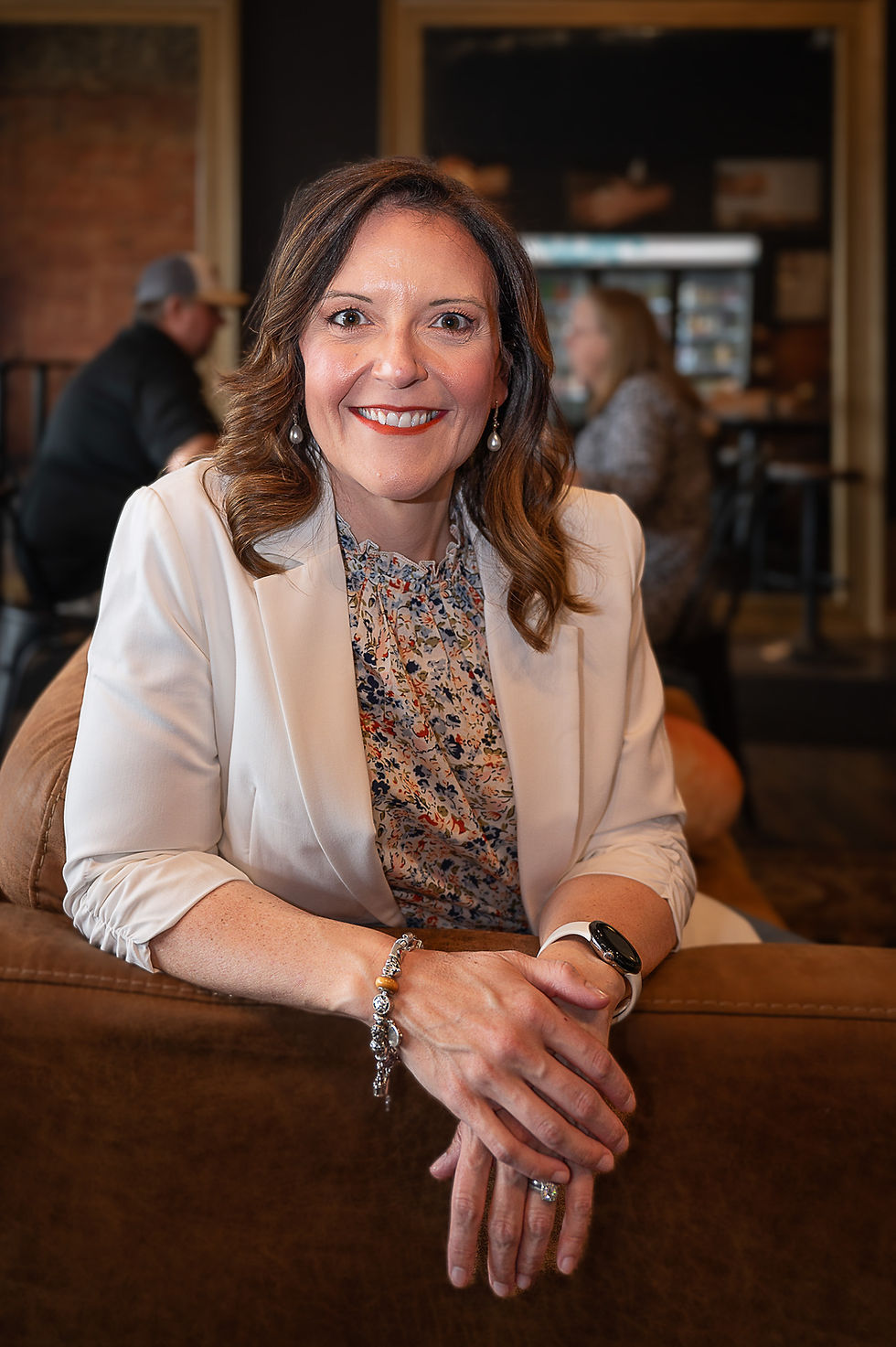
About Melanie Lambert
Hi! I'm Melanie Lambert, founder of Just Write Grants. For more than a decade, I've helped nonprofits across the country make smarter funding decisions, strengthen their grant strategies, and pursue funding with greater confidence.
I started Just Write Grants because I believe grant success begins long before a proposal is written. My goal is to help nonprofit leaders gain clarity, develop sustainable funding strategies, and pursue the right opportunities—not just more opportunities.
When I'm not working with clients, you'll usually find me sharing practical grant advice through articles like this one, leading free Grant Strategy Lab Coffee Chats, or helping nonprofits navigate the ever-changing funding landscape.
If you're wondering what the best next step is for your organization, I'd love to help.


Comments